
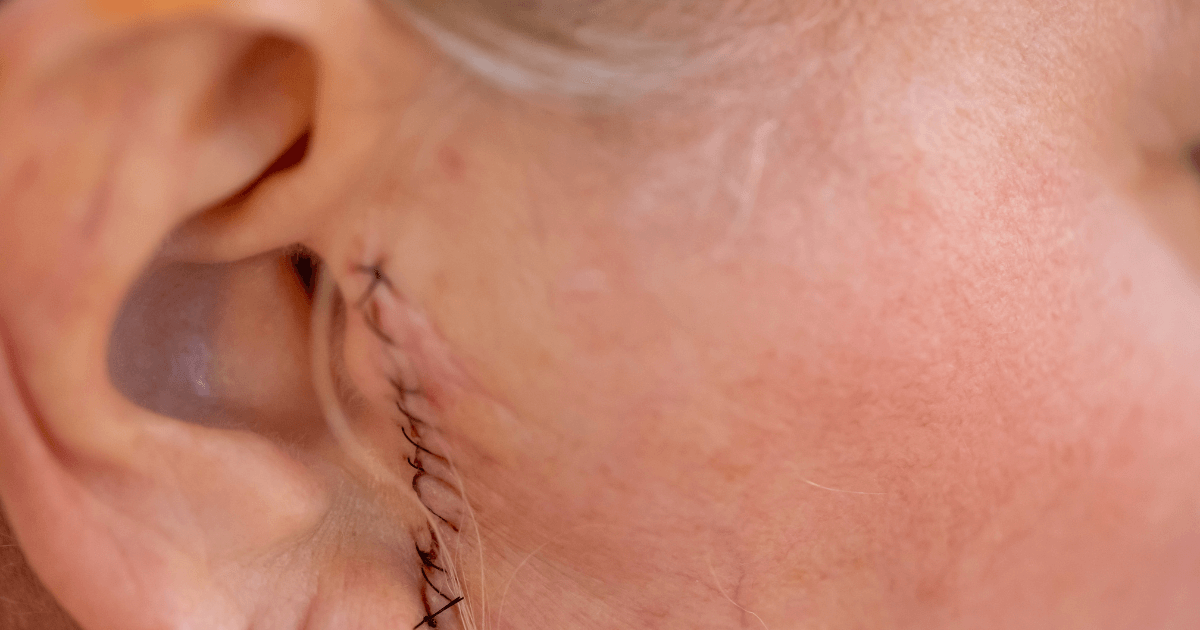
Facial scars change more than appearance. They change how a person feels, thinks, and moves through the world. When someone searches for help with a scar injury settlement in Ontario, they are often looking for more than money. They are looking for understanding.
A scar can bring daily reminders of the accident. It can affect confidence, comfort, and even the way others react. For many people, life feels divided into two chapters – before the facial injury and after it. That emotional shift is real, and it plays a major role in how compensation for scarring or disfigurement works in Ontario.
In this article, you will learn what counts as a compensable scarring injury, how the law views disfigurement, what evidence matters, and why these claims often receive strong non-pecuniary awards.
In this article:
What Counts as a Compensable Scar Injury in Ontario
The “Before and After” Impact: Why Scarring and Disfigurement Claims Are Taken Seriously
How Ontario Courts Assess Facial Disfigurement Compensation
Factors That Influence a Scar Injury Settlement Ontario
Medical and Psychological Evidence That Strengthens Your Claim
Non-Pecuniary Damages: Why These Awards Can Be High
When Cosmetic Surgery Affects Your Claim
Why These Cases Are Complex and How a Lawyer Helps
Next Steps To Build a Winning Case
What Counts as a Compensable Scar Injury in Ontario
Not every scar is treated the same under Ontario law. Some marks fade. Others stay for life and change how a person feels and how they move through the world. A scar becomes compensable when it affects your appearance, your confidence, or your emotional well-being.
Facial scars receive the most attention because the face is always visible. A change here can create lasting stress and self-consciousness. Many injuries can lead to scarring damages in Ontario, including:
- burns
- deep cuts or lacerations
- dog bites
- glass or metal injuries
- surgical scars after trauma
Courts look closely at the details. They consider:
- where the scar is located
- how visible it is in daily life
- its size, shape, and color
- whether it is raised, sunken, or uneven in texture
But the emotional impact matters just as much. People with noticeable scars often experience:
- embarrassment
- loss of confidence
- anxiety in social or professional settings
These effects are real, and they guide how compensation is valued. Ontario courts understand that a scar is more than a mark on the skin — it can change how a person sees themselves long after the physical injury heals.
The “Before and After” Impact: Why Scarring and Disfigurement Claims Are Taken Seriously
Life before the accident feels different from life after it. Before, you saw a familiar face in the mirror. After a visible scar, everything changes. You may feel shocked each time you look at yourself. You may avoid photos, mirrors, or social events. This emotional shift is real, and it affects daily life deeply.
People often lose confidence. Social anxiety grows. Some feel judged or stared at. Others struggle with depression because the scar reminds them of the trauma every single day. This is why a scar injury settlement case carries strong emotional weight.
Ontario Courts understand these invisible struggles. They treat facial scarring as a serious injury with long-term effects. This is why facial disfigurement compensation often includes non-pecuniary damages for pain, embarrassment, and loss of enjoyment of life.
A scarring lawyer helps you document these emotional changes with counselling records, photos, and expert reports. They also explain to the insurer why your suffering is real and not “just cosmetic,” making sure your lived experience is recognized in your claim.
How Ontario Courts Assess Facial Disfigurement Compensation
Courts in Ontario use several clear factors to assess how much compensation a person might get in a cosmetic disfigurement claim. They look at:
- The visibility of the scar: Is it on the face? Is it obvious to others?
- The permanence: Will this injury stay for life? Permanent injuries carry more weight.
- The age of the victim: A young adult with a public-facing job has different stakes than a retiree.
- Psychological treatment needs: Therapy, counselling, medications for anxiety or depression count as part of the claim.
- Functional impairment: If the scar limits movement, speech, eating, or other major functions.
- Children vs. Adults: Scarring on a child’s face has longer life-impact and is taken very seriously.
These factors combine to determine the permanent injury valuation in your case. The more significant the impact, the higher the potential value.
A personal injury lawyer understands how courts weigh these factors. They gather expert medical opinions, psychological reports, and long-term treatment plans to show the full impact of your injury. This strengthens your claim and helps you seek the compensation you truly deserve.
Factors That Influence a Scar Injury Settlement Ontario
Each case is unique. But many of the same factors influence how high your settlement might go when pursuing scarring damages Ontario:
- Degree of disfigurement: small scar vs large, deep, raised scar.
- Location: face (highest impact), torso, limbs (less visible)
- Need for cosmetic surgery or ongoing treatment: if you must plan multiple surgeries, your value increases.
- Impact on daily life: difficulty in social situations, hobbies, relationships.
- Impact on career: if appearance is part of your job (model, performer, public relations), the effect is bigger.
- Whether you or your lawyer frames it as a cosmetic disfigurement claim, emphasizing both visible and invisible harms.
By showing all these elements clearly, you strengthen your position in a scar injury settlement claim in Ontario.
Medical and Psychological Evidence That Strengthens Your Claim
Strong evidence can change the outcome of a scarring case. You need proof that shows how the injury affects you now and in the future. Helpful evidence often includes:
- Plastic surgeon reports that explain how deep the scar is, how it developed, and whether it may fade or worsen.
- Dermatology assessments describing the color, texture, and long-term behavior of the scar.
- Mental health records showing anxiety, sadness, or fear of being seen in public. These emotions are real and help show how your life changed.
- Before-and-after photos that clearly show the difference in your appearance and how the scar has progressed over time.
- Expert opinions that explain the visibility of facial scars and how they affect daily life, confidence, and social interaction.
A lawyer can help you gather this evidence. They know which records matter most and how to present them in a way that strengthens your claim.
Non-Pecuniary Damages: Why These Awards Can Be High
Non-pecuniary damages focus on the human side of a scar. They are meant to recognize pain, suffering, and emotional loss. Many people with visible scars experience social withdrawal, low confidence, and a shift in how they see themselves. A long-term scar can change a person’s identity. It affects how they feel at work, around friends, and in public.
Courts understand this emotional weight. That is why scarring damages cases in Ontario often receive higher awards. The goal is not to put a price on your appearance. Instead, it is to acknowledge the deep and lasting emotional harm that comes with permanent scarring.
When Cosmetic Surgery Affects Your Claim
Cosmetic surgery can play an important role in your compensation. Surgery often comes with high costs, follow-up treatments, and time away from work. Some people need more than one procedure. Others develop scars that thicken, darken, or spread over time, such as hypertrophic or keloid scars. These complications can increase the emotional burden of the injury.
Because a cosmetic disfigurement claim focuses on long-term impact, the court considers both the physical and emotional toll of undergoing surgery. Even the fear of future procedures or the stress of living with unpredictable healing can influence your compensation.
An injury lawyer handling scarring and disfigurement cases helps document every surgery, cost, and emotional effect. They also work with medical experts to explain how these procedures affect your long-term recovery and your final award.
Why These Cases Are Complex and How a Lawyer Helps
Scarring cases are not simple. They need strong evidence, clear medical reports, and proof of emotional impact. A personal injury attorney helps you manage each part of the claim.
- They collect and organize evidence so nothing important is missed.
- They work with plastic surgeons, dermatologists, and mental health professionals to build a clear picture of your injury.
- They challenge insurance companies that try to downplay visible scars or deny emotional harm.
- They explain long-term effects, including how a permanent change in appearance can affect work, confidence, and daily life.
- They connect all of this to permanent injury valuation, which helps show why your compensation should be higher.
You do not have to handle these steps alone. A lawyer guides you through each stage so your voice is heard and your losses are fully recognized.
Next Steps To Build a Winning Case
A scarring injury changes more than your appearance. It can affect your confidence, emotions, and daily life. These injuries carry weight, and the choices you make after the accident shape both your recovery and your compensation.
Understanding scar injury settlement rules in Ontario can be confusing, especially when insurers downplay the emotional impact. You don’t have to manage this alone. At HIMPRO, we help clients in the GTA and beyond gather strong evidence, work with medical experts, and pursue fair compensation for both physical and emotional loss.
If a scar or facial disfigurement has changed your life, now is a good time to learn your options. Reach out to our team for a free consultation. We’ll review your case, explain your best path forward, and help you move ahead with clarity and confidence. And remember that we only get paid when we win your case.