
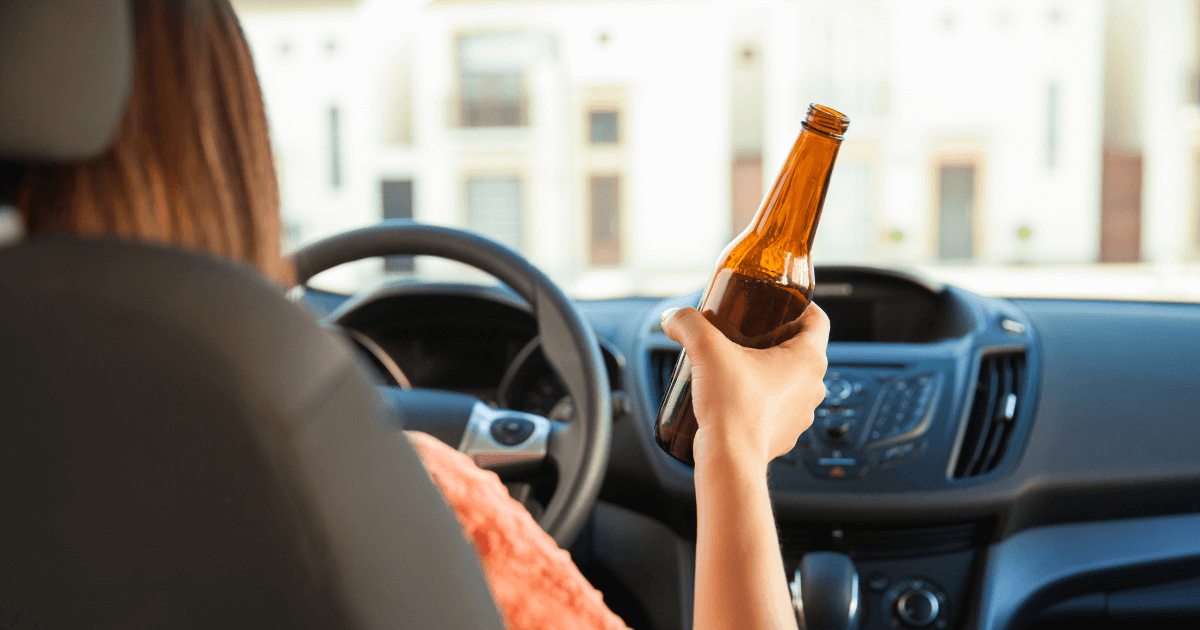
In Canada, drunk driving accidents and punitive damages are treated differently than ordinary car accident claims because they involve a conscious choice to put lives at risk. When an impaired driver causes a crash, the harm often runs deeper than physical injuries. It brings anger, fear, and a sense of injustice that ordinary compensation does not always address. You may feel that simply paying medical bills is not enough when someone showed such reckless disregard for your safety.
In this article, you’ll learn how Canadian law treats impaired driving crashes differently and when punitive damages may apply beyond standard compensation. You’ll also learn how these claims can affect settlements, timelines, and what you can realistically expect from your case.
In this article:
How Drunk Driving Injury Claims Differ from Standard Negligence Claims
What Are Punitive (Exemplary) Damages?
How Canadian Courts Assess Punitive Damages in Drunk Driving Cases
Provincial Differences in How Punitive Damages Are Applied
How Punitive Damages Can Affect Compensation and Settlements
Why Many Victims Don’t Know About Punitive Damages
Why Legal Guidance Matters in Punitive Damage Claims
How We Can Help You Get Clarity and Set You Up For Success
How Drunk Driving Injury Claims Differ from Standard Negligence Claims
Most car accident claims in Canada (Ontario and other provinces) follow a simple negligence model. One driver makes a mistake. Another person gets hurt. The law focuses on compensation only. The goal is to restore what you lost, not to punish anyone.
Drunk driving accidents and punitive damages follow a different path. Impaired driving is not an ordinary lapse in attention. It is a conscious decision to take a known risk. That difference matters in civil law and can change how a claim is handled.
In drunk driving cases, courts may look beyond compensation and consider whether punishment-based damages are appropriate.
Why Impaired Driving Is Treated More Seriously in Civil Claims
Driving under the influence (often referred to as “DUI”) involves deliberate risk-taking. The driver knows they are impaired. They understand the danger. Yet they still choose to drive.
This shifts how the law views the behavior. Courts often distinguish between:
- A momentary mistake or poor judgment
- A knowing decision that shows reckless disregard for public safety
Impaired driving falls into the second category. That is why drunk driving injury claims can raise issues that do not appear in typical negligence cases. The focus moves from what went wrong to how extreme the conduct was.
Why Most Car Accident Claims Do Not Involve Punitive Damages
Punitive damages are not part of most car accident claims. Courts reserve them for rare situations. Ordinary negligence is not enough.
Most crashes involve:
- Inattention
- Misjudgment
- Human error
These situations call for compensatory damages only. Punitive damages require conduct that is far more serious.
In impaired driving civil lawsuits, courts may consider punitive damages because the behavior can show:
- Willful disregard for safety
- Extreme recklessness
- A conscious choice to endanger others
Proving this higher level of misconduct takes more than basic evidence. This is where a personal injury lawyer can help in a specific way. A PI lawyer identifies facts that elevate the case beyond standard negligence and present them clearly to support a punitive damages claim.
Not every impaired driving case qualifies. But when it does, the claim can look very different from an ordinary car accident lawsuit.
What Are Punitive (Exemplary) Damages?
Impaired driving accidents and punitive damages involve more than repayment for losses. Punitive damages serve a different purpose. They punish conduct that goes far beyond carelessness. They also aim to deter others from making the same dangerous choice.
Courts use punitive damages to express strong disapproval. The focus stays on the driver’s behavior, not your expenses. That is why these damages exist alongside compensatory damages. In some cases, repayment alone does not reflect how serious the conduct was.
Compensatory vs Punitive Damages: What is the Difference
Compensatory damages and punitive damages serve very different roles in Canadian law.
Compensatory damages are meant to help you recover. They focus on your losses, such as:
- Medical expenses
- Lost income
- Pain and suffering
Punitive damages are meant to punish. They focus on the driver’s conduct, not your losses. These damages:
- Condemn reckless and dangerous behavior
- Reflect society’s disapproval
- Aim to deter similar conduct in the future
In impaired driving accidents resulting in damages being awarded, both types of damages may appear in the same claim. One restores what you lost. The other addresses how unacceptable the behavior was.
When Punitive Damages May Apply in Impaired Driving Accidents
Punitive damages are never automatic. Courts apply strict punitive damages criteria in Canada. Simple negligence is not enough.
Courts often look at:
- Whether the driver knowingly took a serious risk
- The degree of impairment
- Signs of reckless disregard for public safety
- Whether compensation alone feels insufficient
That is why punitive damages may arise in an impaired driving civil lawsuit, but they are never guaranteed. Each case turns on its facts. The more extreme the conduct, the stronger the case for punishment-based damages.
This higher standard explains why these claims differ from ordinary accidents. When punitive damages apply, the legal consequences can extend far beyond a typical compensation claim.
How Canadian Courts Assess Punitive Damages in Drunk Driving Cases
Canadian courts take punitive damages seriously. They do not hand them out lightly. Judges look closely at the facts before deciding whether punishment-based damages are justified in drunk driving accidents and punitive damages in Canada.
Factors Courts Consider When Deciding on Punitive Damages
Courts focus on how extreme the driver’s conduct was. They look beyond the crash itself and examine the full picture.
Judges may consider:
- The degree of impairment at the time of the crash
- Evidence of reckless or outrageous behavior
- How the driver acted before, during, and after the collision
- Whether compensatory damages alone seem inadequate to address the wrongdoing
This assessment follows strict punitive damages criteria applies across civil cases. Because the standard is high, strong evidence matters. An injury lawyer can help here by gathering and organizing proof that shows the conduct went beyond ordinary negligence.
Provincial Differences in How Punitive Damages Are Applied
The core principles behind punitive damages remain consistent across Canada. Courts agree on their purpose and limits. Still, outcomes can vary depending on the province and the specific facts of a case.
In practice:
- Some courts apply a more restrained approach
- Others are more willing to consider punitive damages in serious impaired driving cases
- Awards remain rare and carefully controlled
This variation makes prediction difficult. Legal guidance helps you understand how your province typically approaches punitive damages criteria applies in civil claims and how that may affect your expectations. We can help you get clarity on how Ontario courts typically handle claims and damages when you’re the victim of an impaired driving accident.
How Criminal Penalties Can Affect Civil Punitive Damages
Drunk / impaired driving often leads to criminal charges. Civil lawsuits follow a separate path, but courts may still consider what happened in criminal court.
Judges may look at:
- Whether the driver already faced criminal punishment
- The severity of those penalties
- Whether additional punishment is still needed in the civil case
In some situations, criminal penalties may reduce or limit punitive damages. In others, courts may still see a need for civil punishment. A seasoned personal injury lawyer can help explain how criminal outcomes interact with a civil claim and how that relationship affects your case.
How Punitive Damages Can Affect Compensation and Settlements
Punitive damages can change the financial and legal dynamics of a claim. They affect not only potential compensation but also how cases move forward.
Why Punitive Damages Can Increase the Value of a Claim
Punitive damages go beyond reimbursing losses. They add an extra layer of accountability. In a serious impaired driving civil lawsuit, punitive damages may:
- Increase the total amount awarded
- Reflect the seriousness of the driver’s conduct
- Strengthen the claimant’s position in negotiations
Because these damages target behavior, not losses, they can significantly raise the value of a claim in extreme cases.
Why Punitive Damage Claims Can Change Timelines and Risk
Punitive damages also introduce complexity. These claims often take longer and involve more legal risk.
They may require:
- Detailed evidence
- Strong legal arguments
- A greater chance of litigation rather than early settlement
This is where expectations matter. Not every case settles quickly. An experienced injury lawyer can help you weigh the risks, understand realistic timelines, and decide whether pursuing punitive damages makes sense in your situation.
When punitive damages enter the picture, the claim often becomes more demanding. But for some victims, that added complexity reflects the seriousness of what they endured.
Why Many Victims Don’t Know About Punitive Damages
Many people injured by drunk or impaired drivers never hear about punitive damages at all. They focus on recovery. They deal with pain, stress, and lost income. Legal options often come later, if at all.
In a drunk driving injury claim, this lack of awareness can affect decisions early in the process.
Common Misunderstandings During Insurance Discussions
Insurance discussions usually focus on numbers. Adjusters talk about medical bills. They talk about income loss. They may discuss pain and suffering. That narrow focus shapes expectations.
Punitive damages often get overlooked because:
- They are not tied to bills or receipts
- They require a higher legal standard
- Insurers rarely raise them voluntarily
As a result, victims may assume compensation is limited to basic losses. They may never realize the law sometimes allows more when conduct is extreme.
Evidence That Can Strengthen a Punitive Damages Claim
Punitive damages depend on proof. Courts need clear evidence that the driver’s behavior crossed a serious line.
Helpful evidence may include:
- Police findings showing impairment
- Breath or blood alcohol results
- Aggravating behavior, such as fleeing the scene or ignoring warnings
- A pattern of reckless conduct
This kind of evidence does not always speak for itself. A lawyer can help by identifying which facts matter most and presenting them in a way that supports a punitive damages argument.
Why Legal Guidance Matters in Punitive Damage Claims
Punitive damage claims carry a higher burden of proof than standard negligence cases. Courts expect strong facts and careful reasoning. Simple arguments rarely succeed.
Legal strategy matters because:
- Punitive damages are never automatic
- Courts apply strict standards
- Poorly presented claims can weaken a case
Legal counsel plays a key role in managing risk and expectations. A lawyer can help you understand whether punitive damages are realistic, how they affect the process, and what trade-offs may arise when pursuing them.
In drunk or impaired driving accidents with potential punitive damages, guidance can shape not just outcomes, but the path you take to get there.
How We Can Help You Get Clarity and Set You Up For Success
Being injured by a drunk driver affects more than your body. It creates anger, stress, and questions about accountability. When someone chooses to drive impaired, ordinary compensation can feel incomplete.
Canadian law recognizes this. Drunk driving accidents and punitive damages exist because some conduct deserves stronger consequences. Still, these claims are complex. Many people are unsure when punitive damages apply or how they affect settlements, timelines, and risk.
HIMPRO’s team helps injured individuals understand these issues by reviewing the facts, explaining how the law applies, and outlining realistic options. Our goal is to give you clarity so you can make informed decisions.
If you were hurt by an impaired driver and need clarity, this is the right time to explore your options. You can reach out for a free consultation. We will listen to your situation, explain what the law allows, and guide you toward a path that reflects both your losses and the seriousness of what you endured so you can maximize your compensation. And if you decide to hire us to handle your claim, remember we only get paid if we win your case.